Thinking about Suwanee and torn between a shiny new build and a well-kept resale? You are not alone. With parks, greenways, Suwanee Town Center, and convenient access to major job hubs, the area gives you strong options on both paths. This guide breaks down the tradeoffs, timelines, true costs, and next steps so you can choose with confidence.
Let’s dive in.
How to choose in Suwanee
Use this quick framework to match your priorities:
- Location and schools: Start with neighborhoods that fit your daily life and confirm current Gwinnett County Public Schools assignments. Boundaries can change, so verify before you write an offer.
- Move-in readiness vs customization: If you want fresh finishes and control over options, new construction may fit. If you value established streetscapes and quicker occupancy, resale can win.
- Budget and true cost: Compare total 3–5 year costs, not just price. Include upgrades, interest, repairs, HOA fees, taxes, and likely renovations.
- Timeline risk tolerance: New builds can take months and may face delays. Resales can close in 30–60 days when financing and inspections go smoothly.
- Maintenance appetite: New systems and warranties can mean fewer near-term fixes. Resales may need updates but can offer larger lots and mature landscaping.
New vs resale at a glance
| Topic | New Construction | Resale Home |
|---|---|---|
| Price and add-ons | Base price plus lot premiums and options; landscaping and window coverings may be extra | Lower sticker price possible, but budget for repairs and updates |
| Timeline | 4–9 months for build-to-order; quicker for finished inventory | Often 30–60 days to close if clean inspections and title |
| Inspections | Independent phase inspections recommended; punch list before closing | Full inspection set recommended; negotiate repairs or credits |
| Warranty/recourse | Commonly 1-2-10 style warranties; verify coverage in writing | No builder warranty; optional third-party home warranty |
| HOA and governance | New HOAs with developer control period; review budgets and rules carefully | Established HOAs often have history and reserve info |
| Lots and landscaping | New grading and young plantings; potential erosion control needs | Mature trees, shade, and privacy with added upkeep |
| Resale value outlook | Strong if location, demand, and schools align; watch for oversupply of similar models | Strong in established areas with limited turnover and maintained homes |
Price and true cost
New construction often lists at a premium per square foot. Your final price includes the base home plus lot premiums and design options. Plan for soft costs that may not be included, such as landscaping, fencing, window coverings, and sometimes higher closing costs in builder contracts.
Resale homes can appear more affordable. Factor in inspection findings, near-term replacements like roof or HVAC, and any updates you want to complete soon after closing. A 3–5 year cash flow comparison helps you see the full picture.
Financing differs too. New builds may use construction-to-permanent loans or construction loans with interest-only payments during the build. Rate-lock timing becomes important. Resales typically use standard purchase mortgages, and sellers may contribute to closing costs or offer concessions.
Negotiation also varies. Builders more often offer incentives like upgrade credits, closing cost help, or rate buydowns, with less flexibility on base price. Resales tend to allow price negotiation, repair credits, and longer inspection windows.
Timeline and process
A build-to-order home commonly takes 4–9 months, depending on permitting, weather, materials, and labor. Ask for a written schedule and be prepared for possible delays before the certificate of occupancy is issued. If you need to move faster, ask about finished or nearly finished inventory homes.
Resales can close in 30–60 days when financing, inspections, and title clear without issues. If you must sell a current home first, your timeline can lengthen, so discuss contingency strategies early.
Inspections and warranties
New homes are not defect-free. Use independent phase inspections, including a pre-drywall review and a final walk. The punch list process matters, so set written deadlines and verification steps. Many builders use a 1-2-10 warranty model, but coverage varies. Get the exact warranty, exclusions, and any maintenance requirements in writing, and confirm if a third party backs the policy.
Resale buyers should order a full inspection set, including general, pest, HVAC, roof, and radon or sewer scope when applicable. If issues arise, you can negotiate repairs, credits, or escrowed funds. You can also purchase a third-party home warranty for systems and appliances.
HOA and governance
New communities often launch with amenities and developer-controlled HOAs. Review the projected budget, reserve plan, fee schedule, rental rules, exterior change approval process, and developer control timeline. Because there is limited history, scrutinize the documents closely.
Established neighborhoods may offer historical HOA budgets, minutes, and reserve studies that shed light on the community’s financial health. Georgia law governs HOAs and covenants. Consider having the HOA documents reviewed by a Georgia real estate attorney or a local agent familiar with Gwinnett practices.
Lots and landscaping
New neighborhoods often have smaller or more optimized lot layouts in close-in areas. Grading and drainage are fresh, and plantings are young. Plan for additional landscaping and possible erosion control during the first seasons.
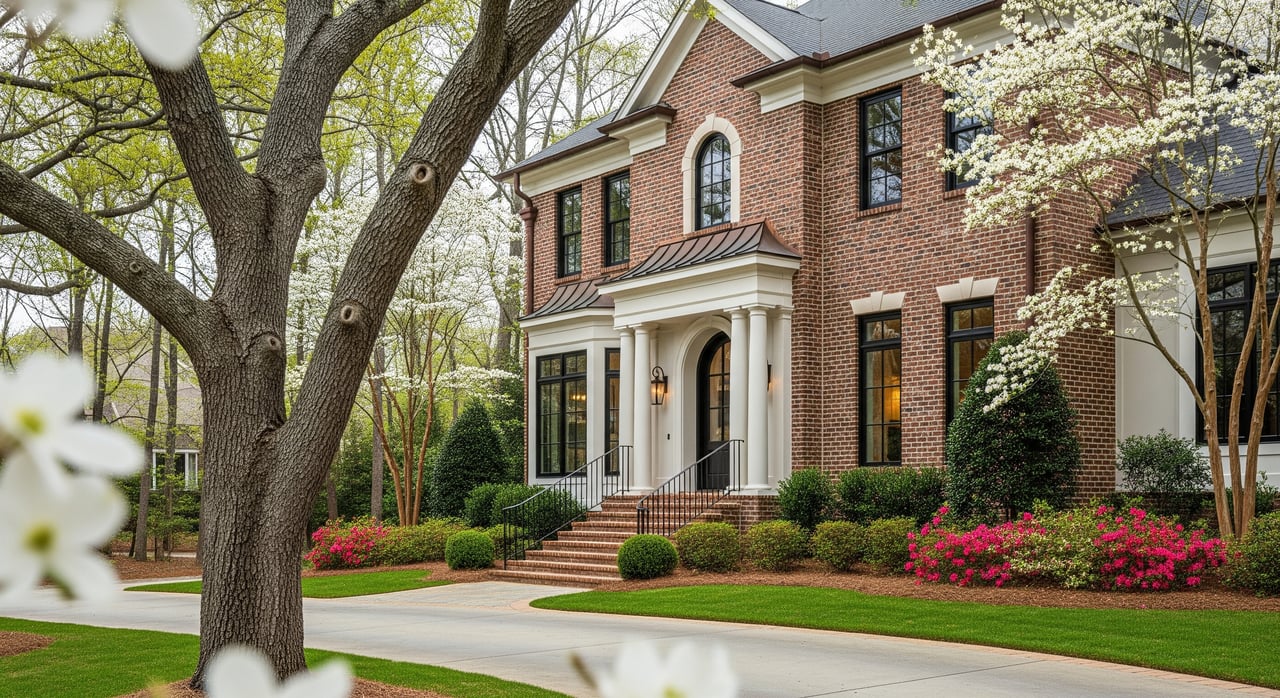
Resale neighborhoods typically feature mature trees, shade, and established privacy. These features enhance comfort but can add maintenance, including tree care and potential root impacts.
Resale value outlook
In Suwanee, location drives value. Proximity to Suwanee Town Center, parks and greenways, access to highways and employment centers, and neighborhood maintenance all shape long-term performance. School assignments are a major consideration, and boundaries can change, so verify before you buy.
Well-located new communities tend to appreciate in line with their submarket, but watch for oversupply if several similar phases are coming nearby. Established neighborhoods with limited turnover often hold value well, though homes may lag if systems or finishes become dated.
Local steps and checklist
Set up your decision with clear local data and a plan:
Market and finance prep
- Ask for MLS reports by subdivision and school zone for the areas you like.
- Get preapproved for the right loan type and discuss rate-lock timing for a new build versus a resale.
If you build new
- Get the full written warranty and any third-party coverage details.
- Review HOA formation, projected budget, and the developer control period.
- Request a build schedule with target start and completion dates in writing.
- Clarify what is included on the lot and exterior, such as driveway, irrigation, and landscaping.
- Hire independent inspectors for pre-drywall and final phases.
If you buy resale
- Order comprehensive inspections and review seller disclosures.
- Check property tax history and ask for recent comparable sales.
- Get quotes for immediate updates you plan to tackle.
For both paths
- Read all HOA documents, including CC&Rs, budget, rules, and any recent meeting minutes.
- Check city and county planning maps for approved nearby projects.
- Visit at different times of day to observe traffic and activity.
- Talk to residents about their experience and builder responsiveness.
- Confirm current school assignments with the district.
Before you decide, verify current pricing, taxes, fees, and inventory through MLS and Gwinnett County sources. If you want a clear side-by-side for your short list, reach out. You will get a calm, organized plan that fits your timeline.
Ready to compare your best options in Suwanee and nearby North Metro communities? Connect with Evelyn Sawatzky for a friendly, no-pressure consultation and local guidance from contract to close. Se habla español.
FAQs
Which is cheaper long term in Suwanee?
- There is no single answer. New builds often cost more upfront but reduce near-term repairs. Resales may be cheaper initially but can need updates. Compare 3–5 year cash flows.
Are new homes worth the premium?
- If low maintenance, energy-efficient features, and modern layouts matter most, many buyers find the premium worthwhile. Verify warranty details and the builder’s track record.
How risky are construction delays?
- Delays happen due to permitting, inspections, and supply timing. Get realistic timelines in writing and budget for temporary housing if needed.
Can I negotiate with Suwanee builders?
- Yes. Builders often offer incentives like upgrade credits, closing cost help, or rate buydowns. Base prices are less flexible, especially on popular plans.
What should I check in HOA documents?
- Review fee amounts, reserve funding, rental rules, exterior change processes, developer control periods, and any planned projects or assessments.